
agosto 8, 2025
From Concept to Construction
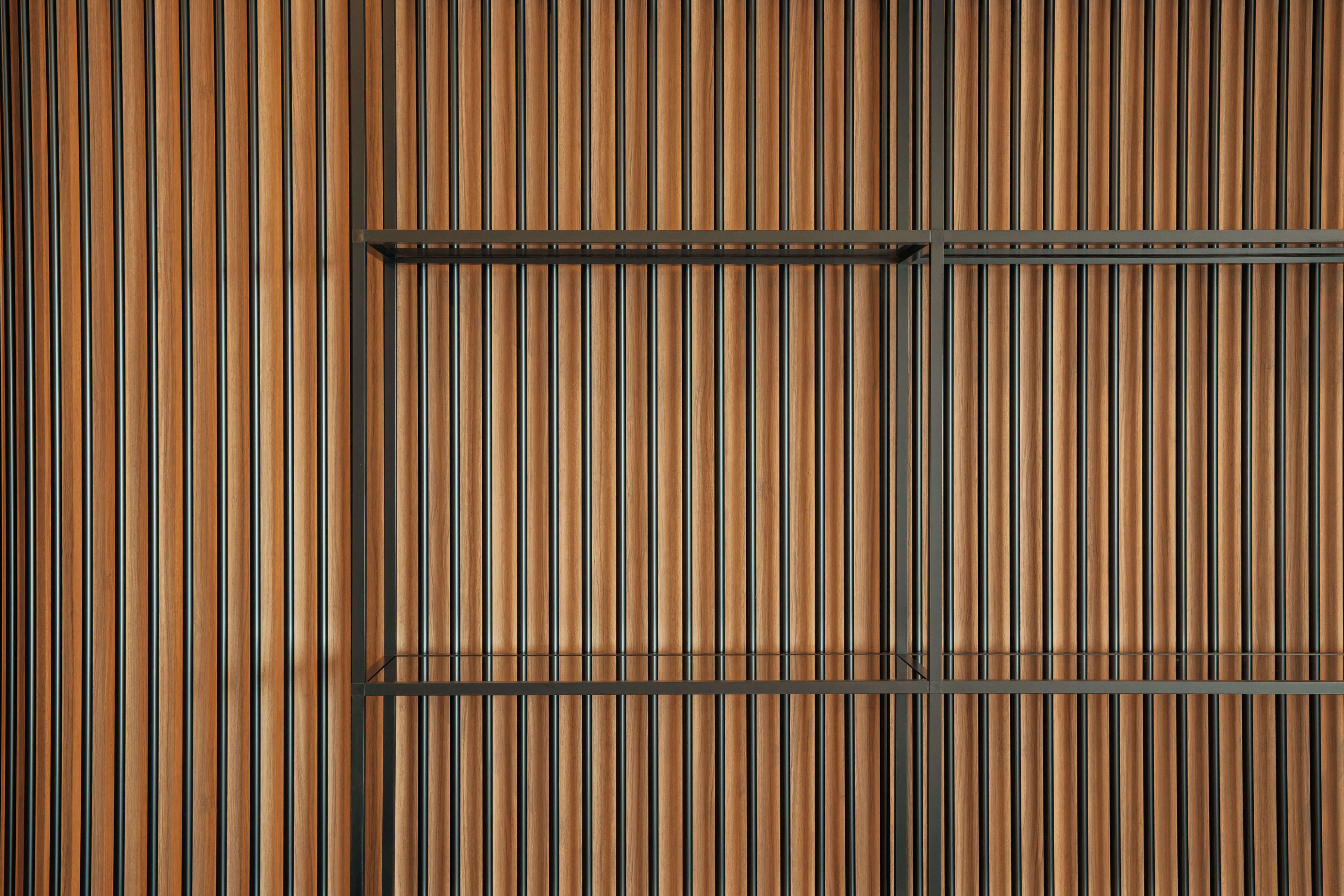
From Concept to Construction: The Creative Process in Architecture
Every architectural project begins with an idea: an intuition that has no form yet, but already contains the essence of what it will become. Between that first conceptual gesture and the built work lies a vast territory filled with decisions, explorations, and discoveries. The creative process in architecture is not linear; it is a constant negotiation between imagination and material reality.
“Designing is translating a vision into matter without losing the poetry along the way.”
Each stage of the process, the initial sketch, conceptual models, material selection, technical adjustments, reveals new possibilities. What begins as an abstract composition is subjected to tests, simulations, constraints, and reinterpretations that enrich the original idea. In this way, creativity becomes a continuous dialogue between intention and feasibility.
Along this journey, architecture stops being an exercise in form and becomes the construction of meaning. Proportions are defined by human experience; light is designed as a structural element; materiality is conceived as a language. Nothing is accessory, everything contributes to shaping the project’s identity.
When the project reaches the site, the creative process meets its most defining moment. Construction puts every conceptual decision to the test and forces refinement, adjustment, and sometimes reinvention. Physical reality is not an obstacle, but the final opportunity to fine-tune the architectural intention.
From concept to construction, architecture reveals itself as an act of materialized though, a process in which imagination becomes space, and the initial idea finds its purest form when it is inhabited.