
noviembre 1, 2025
Construction as Art
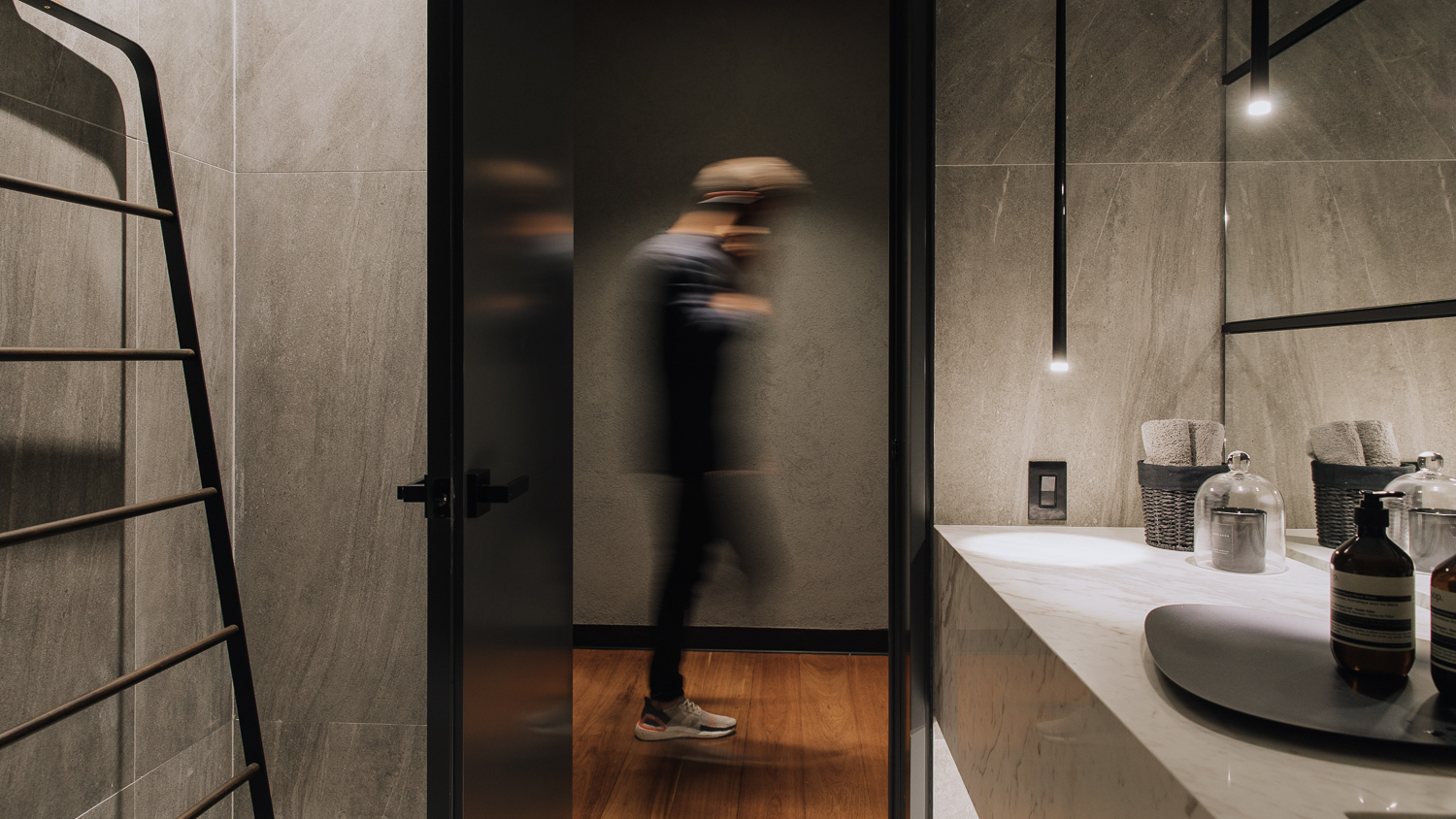
Construction as Art: When Form Becomes Experience
In the architectural universe, construction has historically been understood as the technical stage, the moment when drawings are transformed into structure. However, in recent decades, this vision has evolved into a broader understanding: to build is also to create meaning.
The work ceases to be merely a physical result and becomes an aesthetic and sensory experience, where every material, texture, and proportion has an expressive purpose.
“Building is painting with matter: shaping light, void, and time.”
The construction process then becomes an artistic act. Concrete reveals its texture like a brushstroke; wood ages and speaks of the passage of time; steel draws the line that defines the horizon. Technical precision does not contradict sensitivity, it complements it. In the union between the structural and the poetic, architecture finds its true language.
In this sense, construction not only creates a space, but also builds a narrative. Every decision, the type of formwork, the direction of a grain, the rhythm of the joints, carries symbolic meaning. What may seem like a simple detail is, in fact, what shapes the atmosphere that will be felt by anyone who crosses the door.
The art of building lies in this ability to translate the intangible: shifting light, the sound of the wind, the touch of a wall. The architect, together with the builder, becomes a craftsman of space. It is not about imposing form, but about allowing matter to find its purest expression.
Thus, construction is not the end of the architectural process, but its climax. It is the moment when the idea ceases to be abstract and becomes tangible, when thought becomes body. Successful architecture is not measured only by its form, but by what it evokes in those who inhabit it: the emotion of being within a work that breathes art.